Extended General Intelligence: Why AI Should Mirror Your Mind, Not Replace It
Most AI promises speed, but speed without strategic intent creates drift. If you’ve felt outputs get slicker while meaning slides sideways, you’re not alone. The fix isn’t more automation, it’s better alignment.
I used to think the answer was more automation. Every bottleneck, every repetitive task, every moment where I felt like I was doing work a machine could handle, I’d throw technology at it. The promise was always the same: delegate the mundane, focus on the strategic. But somewhere in that handoff, something essential got lost. The tools would execute, but they’d execute their interpretation of my intent, not the intent itself.
Treat AI as a cognitive prosthetic: extend your judgment and keep the steering wheel.
What Extended General Intelligence Actually Means
Extended General Intelligence (EGI) is the philosophy that AI should mirror and amplify human reasoning while maintaining a human-led feedback loop to prevent drift. Unlike automation that replaces judgment, EGI strengthens it by keeping context, intent, and priorities in the loop.
Cognitive clarity emerges when a system understands and operates in alignment with strategic intent, not just the surface-level task. The signal is your actual intent; the noise is everything added, misread, or lost between what you mean and what gets executed.
How to Separate Signal from Noise
The gap between human intent and digital execution isn’t a technical problem, it’s a cognitive one. I learned this building my first semantic control system. The AI followed instructions perfectly and still missed the point, because it didn’t know when to deviate or why the rules existed.
Cognitive alignment scaffolding closes that gap. It’s the difference between giving turn‑by‑turn directions versus giving an address and trusting the driver knows the neighborhood. Directions are tactical. Understanding is strategic.
The Pitch Trace Method
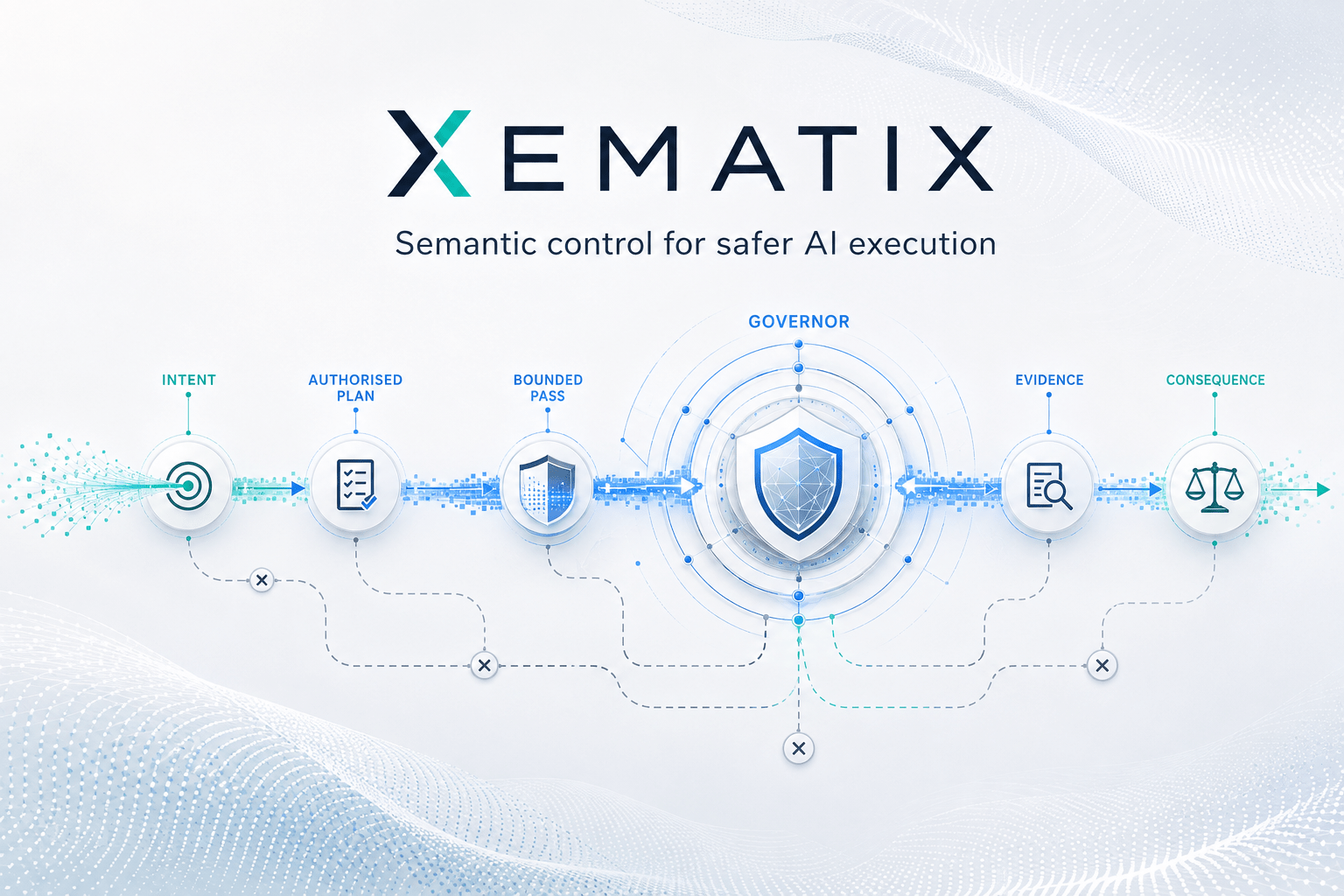
The Pitch Trace Method maintains strategic coherence across human‑AI workflows by tracing the faint signal of your original intent through each handoff and adding validation gates that catch drift before it compounds. A marketing director who wanted “personal at scale” email learned to optimize for three constraints simultaneously: specific customer pain points, would I send this to my best client, and does this advance our quarterly positioning goal.
If you want to try Pitch Trace today, start with this micro‑protocol:
- Name the strategic intent in one sentence and map the handoffs where drift occurs.
- Define 3 intent checks (your gates) that must be true before output moves forward.
- Instrument the workflow so the AI scores itself against those gates and escalates edge cases.

Why Alignment Beats Intensity
Most AI rollouts fail not because the tech is weak, but because the intent isn’t encoded. Founders chase speed and automate everything, then spend weeks fixing misaligned outputs.
Marcus, who runs a consulting firm, automated intake, scheduling, qualification, proposals, and got perfect proposals for wrong‑fit clients. We rebuilt using EGI principles. The AI drafted intake questions from his priorities, flagged misalignments, and surfaced decision points for human judgment. Quality rose immediately, and Marcus felt the system was thinking with him, not around him.
Direction beats speed. Alignment compounds; intensity burns out.
Building Validation Gates That Actually Work
Validation gates aren’t just checkpoints; they’re cognitive instruments. Don’t test only for accuracy. Test for intent. A content model can be grammatically perfect and miss your voice. A scheduling agent can optimize calendars while harming relationships. A research agent can gather everything and miss the question that matters.
Three guiding questions keep outputs on‑strategy: Does this advance my objective? Does it reflect my real priorities? Would I make this decision if I had perfect information?
Common Failure Modes
“Doesn’t this slow everything down?” Only at the start. The effort to encode intent pays back by reducing rework and drift. Most teams lose more time fixing misalignment than they would spend building gates.
“This sounds like micromanaging the AI.” It’s the opposite. Context expands autonomy. When the model understands your constraints, it makes better independent decisions.
“What if my intent isn’t clear enough to encode?” Then that’s the work. EGI forces clarity. If you can’t express intent clearly for a machine, you likely can’t execute it consistently yourself.
The Far Side of Complexity
There’s a moment where you stop fighting complexity and start designing with it. The pitch doesn’t get louder, you get better at tuning out the noise. EGI isn’t about building smarter AI; it’s about building AI that thinks with you rather than for you.
You want AI that scales your judgment. You’re frustrated by drift that wastes time and erodes brand. Believe that direction beats speed. The mechanism is EGI: encode intent, trace the signal, and gate for alignment.
Next step: operationalize it.
Start building AI that thinks with you, not around you.