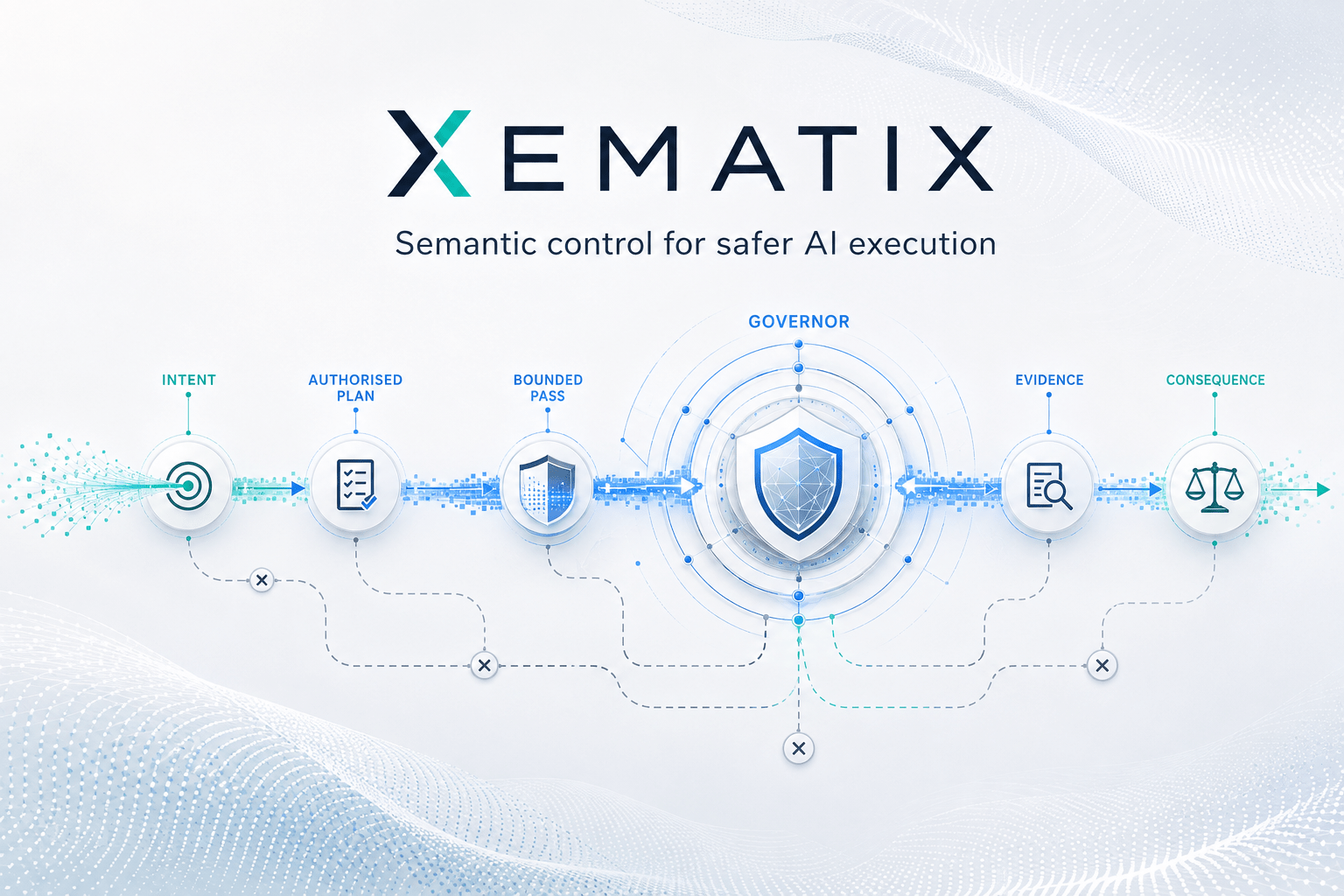
If you plan to buy AI to outrun messy operations, you'll waste money. Discipline, not tooling, decides your outcome. Start by asking what you're amplifying.
Why Your AI Strategy Failed Before You Even Started Building It
The Signal in the Static
I was in a boardroom three years ago, watching a CEO unveil an “AI transformation roadmap” to investors. Eighteen months, $2.3 million, projected 40% efficiency gains. The slides were tight, the tech was shiny, and I knew it would fail before anyone wrote a line of code.
Why? Because their customer service process was already broken. Their sales team couldn't agree on what counted as a lead. Inventory was held together with spreadsheets. They wanted AI to fix what they hadn't bothered to understand.
AI doesn't fix a broken strategy; it amplifies whatever you already have.
TL;DR
Fix your foundation first, clear processes, mission alignment, and decision hygiene, before you automate. Use AI to give your best people leverage, not to patch dysfunction. Measure success by retention, cash flow, and error reduction, not technology adoption metrics.
What Is AI Strategy Discipline
AI strategy discipline means establishing organizational clarity and process integrity before you implement automation. It's how you separate signal from noise in your decisions.
Signal is the measurable pattern that shows what truly drives your results. Noise is everything else, the hype, vendor promises, competitive FOMO, and demos that distract from fundamentals. Most organizations chase noise, automate broken processes, and wonder why expensive pilots deliver no value. Discipline teaches you to hear the signal first.
How to Separate Signal from Noise
The turning point came when I stopped asking, “What can AI do for us?” and started asking, “What are we actually trying to accomplish?” That shift led to what I call the Pitch Trace Method, a simple way to follow the faint signal through organizational static until you find something worth amplifying.
The Pitch Trace Method works in three steps:
- Map your intent: Align on mission, vision, and strategy before you touch technology. If leadership can't say what success looks like, AI will only amplify confusion.
- Identify your constraints: Pinpoint bottlenecks, broken handoffs, and misaligned incentives that limit performance. They're usually people problems, not tech problems.
- Run reversible experiments: Test small changes that reveal causality fast. Fix process first, then layer technology only where it creates measurable leverage.

The goal isn't to avoid AI, it's to ensure that when you implement it, you're amplifying something worth amplifying.
Why Alignment Beats Intensity
I learned this lesson the hard way. Early in my consulting practice, a logistics company wanted to “AI-optimize” route planning. They were sure better algorithms would solve delivery problems.
Two weeks in, the real issue was obvious: drivers gamed the system because performance metrics rewarded speed over customer satisfaction. No algorithm can fix misaligned incentives.
We spent three months realigning measurement and redesigning compensation. Only then did we introduce route optimization. The result: a 23% improvement in on-time delivery and a 31% increase in customer satisfaction. The technology was the same; alignment changed the outcome.
Technology magnifies incentives; it doesn't repair them.
That's why I focus on cognitive alignment scaffolding, ensuring human intent, process design, and measurement all point in the same direction before you add technological leverage.
Building a Small Sane System
The most successful implementations start small and stay sane. They augment specific high performers rather than trying to automate entire departments. Identify the top 20% in a critical function, study what they do differently, and use AI to extend their strengths without dulling their judgment. Keep the human in the loop so decisions benefit from better context and faster signal, not blind automation. Then measure business outcomes, retention, cash flow acceleration, and error reduction, and ignore vanity metrics like “AI adoption rates.” One client used this approach to equip top sales reps with AI-powered prospect research; revenue per rep jumped 47% in six months.
Common Objections and Failure Modes
“Our competitors are moving faster.” Speed without direction is expensive wandering. Most pilots fail because they prioritize implementation over foundation. You're not behind; you're avoiding their mistakes.
“We don't have time to fix everything.” You don't need to. Fix the process you're about to automate. Automating a broken process just breaks it faster and more expensively.
“Leadership won't invest in boring process work.” Frame it as risk mitigation. Every month you delay foundational fixes compounds dysfunction. AI will amplify whatever you have, make sure it's worth amplifying.
“How do we know if we're ready for AI?” Ask: If we implemented the solution perfectly tomorrow, would it solve a problem customers actually feel? If you can't answer clearly, you're not ready.
The Far Side of Complexity
In every successful AI implementation, there's a moment when the complexity suddenly simplifies. The noise fades, and you can hear the pitch, the signal that tells you exactly what to optimize and why. You only reach that clarity by doing the disciplined work first: fix your foundation, choose alignment over automation, favor augmentation over replacement, and demand evidence over hype. Organizations that do this don't just deploy AI; they build compounding advantages.
Get the Strategic Clarity You Need
You want durable, measurable AI leverage. The friction is messy processes and misaligned incentives. The belief is simple: alignment beats automation. The mechanism is a weekly field note with one actionable diagnostic and a small, reversible test you can run immediately. The next step is yours.
I send a weekly note to strategic leaders who want to cut through hype and build real advantages, one practical insight on aligning technology with strategy, plus a simple diagnostic you can use in minutes. No vendor pitches. No theory without proof. Join 2, 400+ leaders who build discipline before they go digital.
Subscribe here: [ADD LINK]
The question isn't whether you'll implement AI, it's whether you'll scale excellence or scale dysfunction. Choose discipline first.
Here's something you can tackle right now:
Write one sentence that defines the business outcome your next AI project must deliver; if you can't, pause the build and fix the process and incentives first.